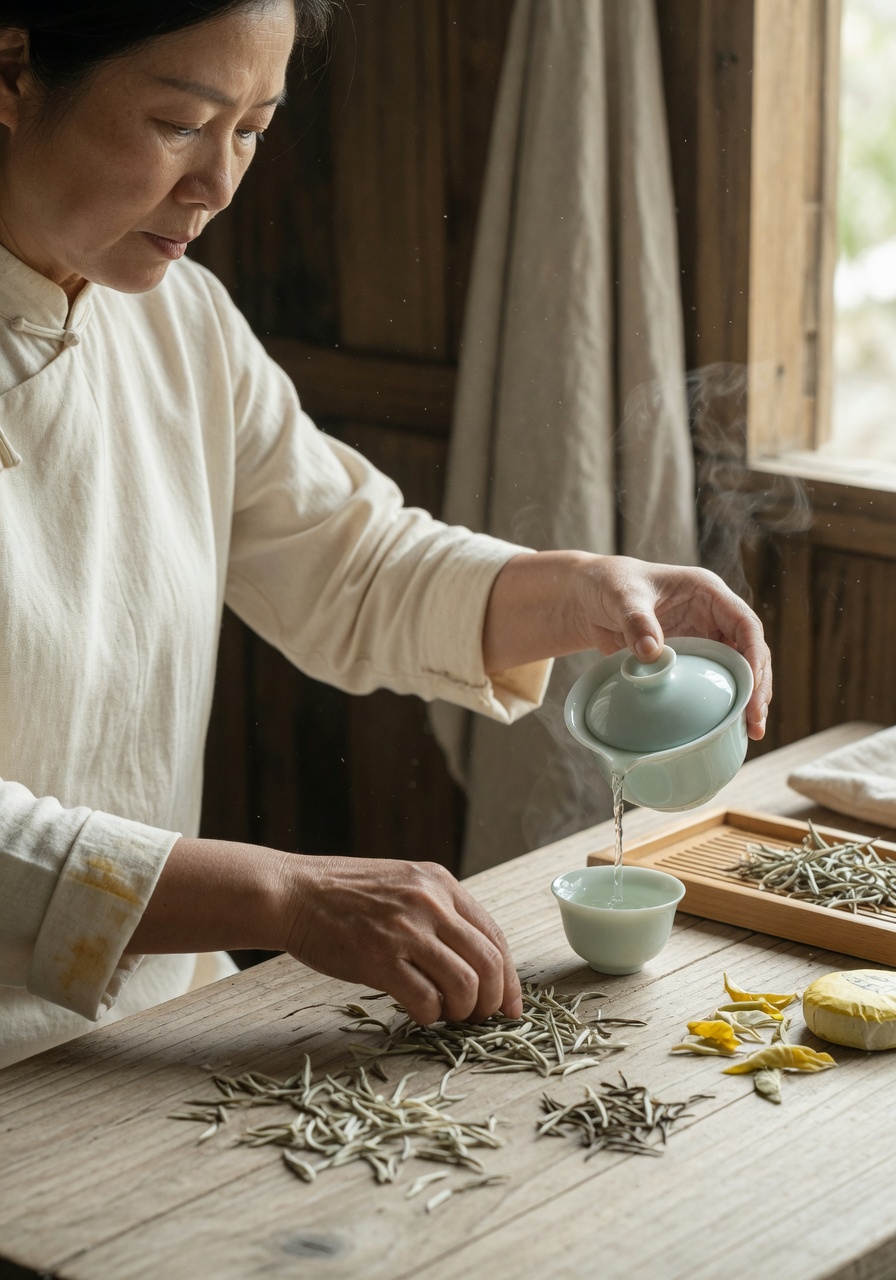
A Guangdong childhood, a Fuding apprenticeship
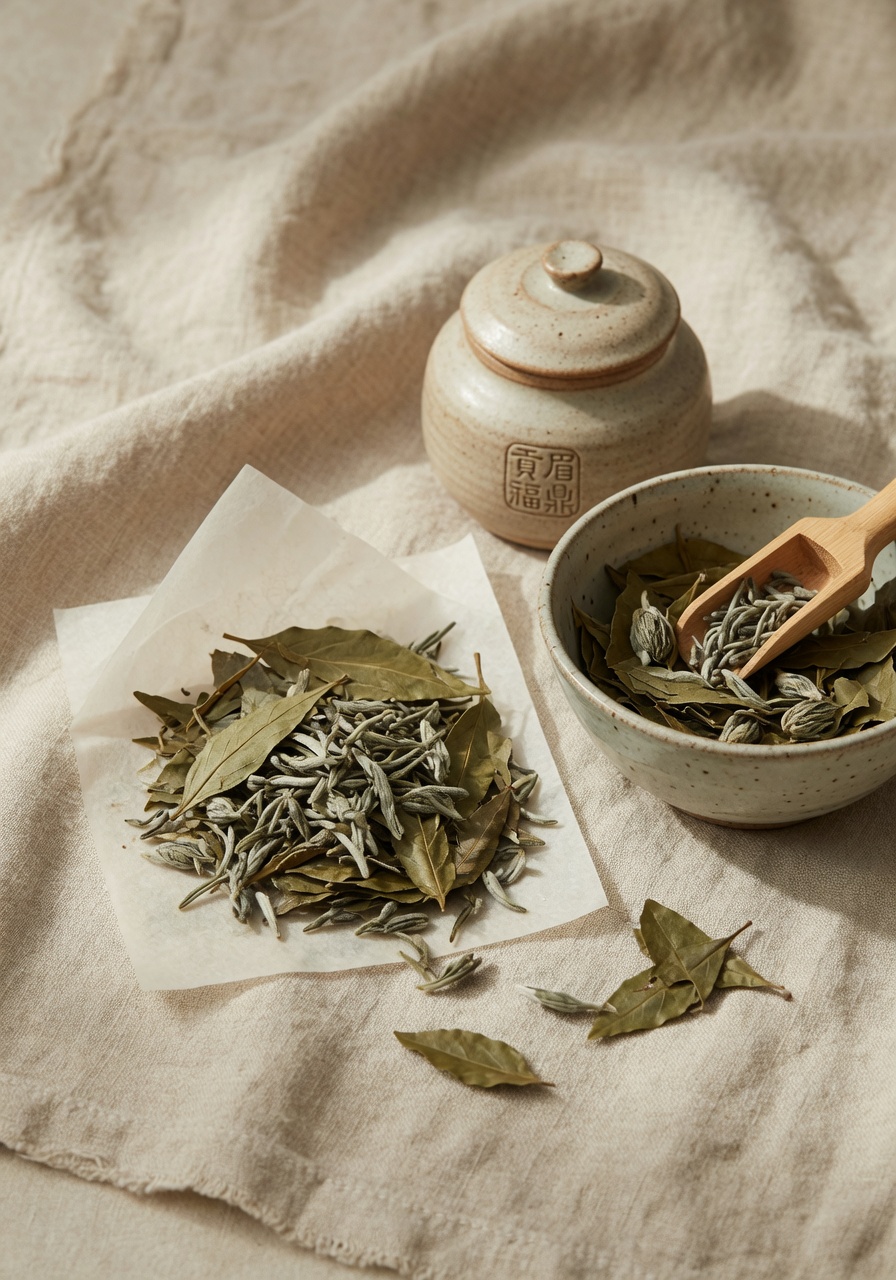
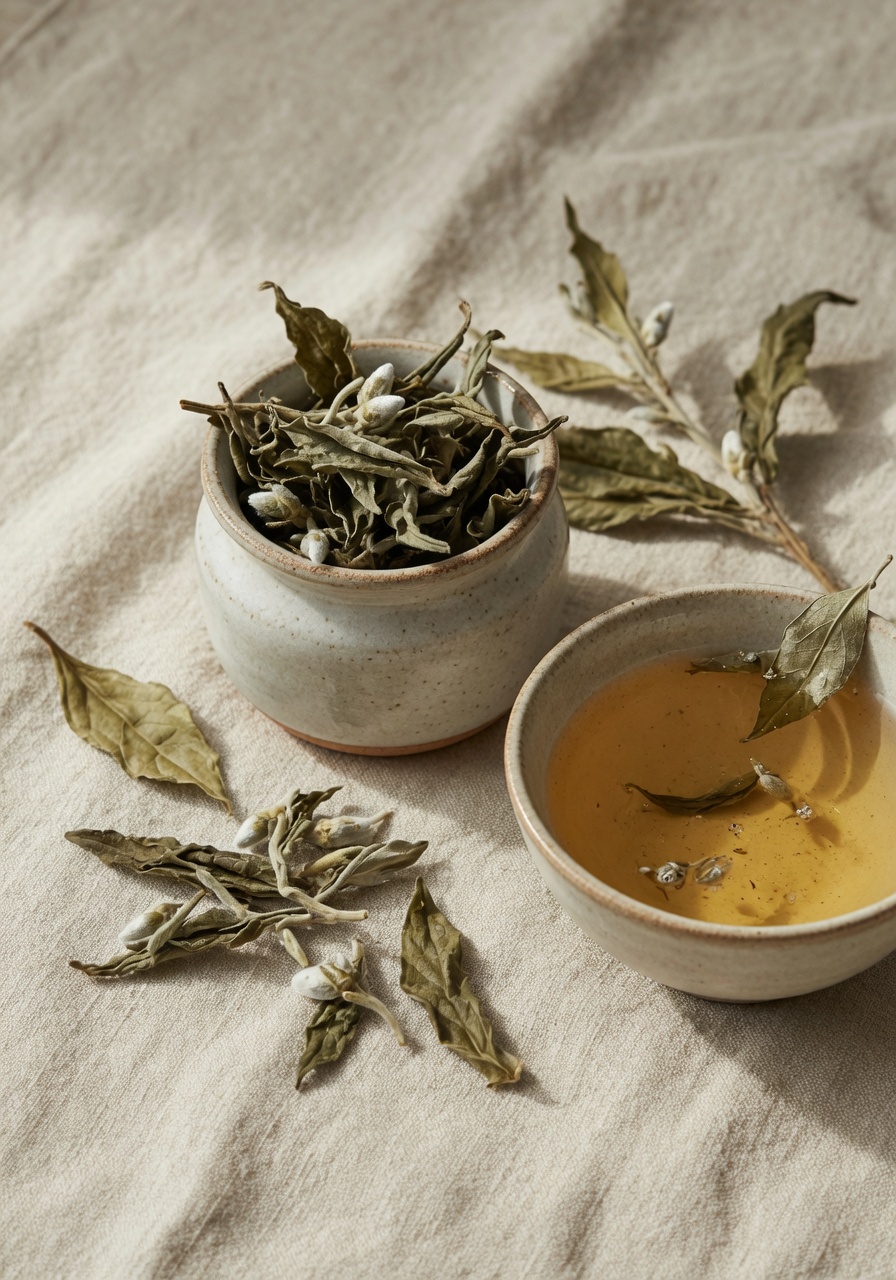
Chen Hui Yi grew up in the eastern hills of Guangdong, in a household where her grandmother kept a clay jar of aged Shou Mei (寿眉) on a shelf above the rice. The jar was opened for stomach complaints, for guests, for winter nights — and the smell of it, warm bark and dried longan, became the first tea memory she can name.
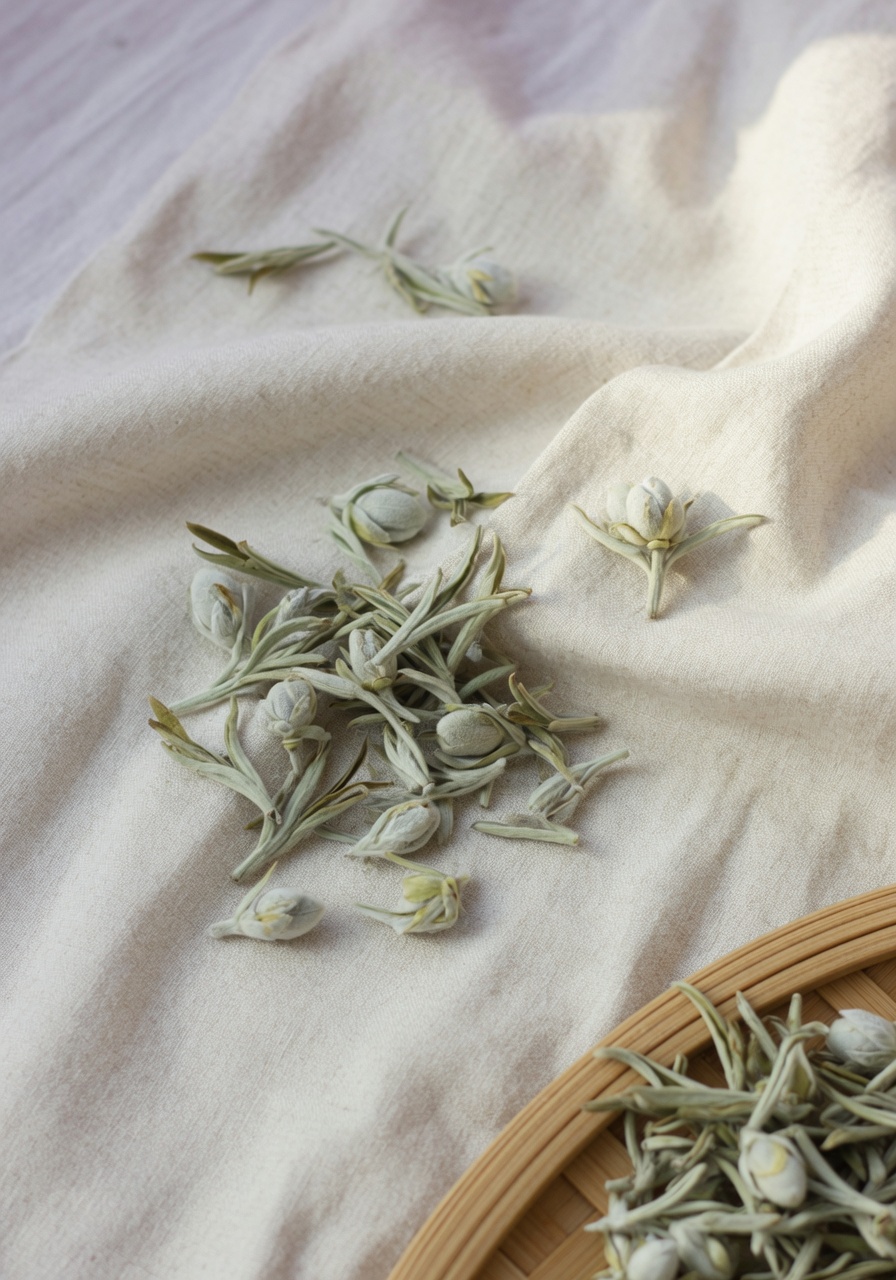
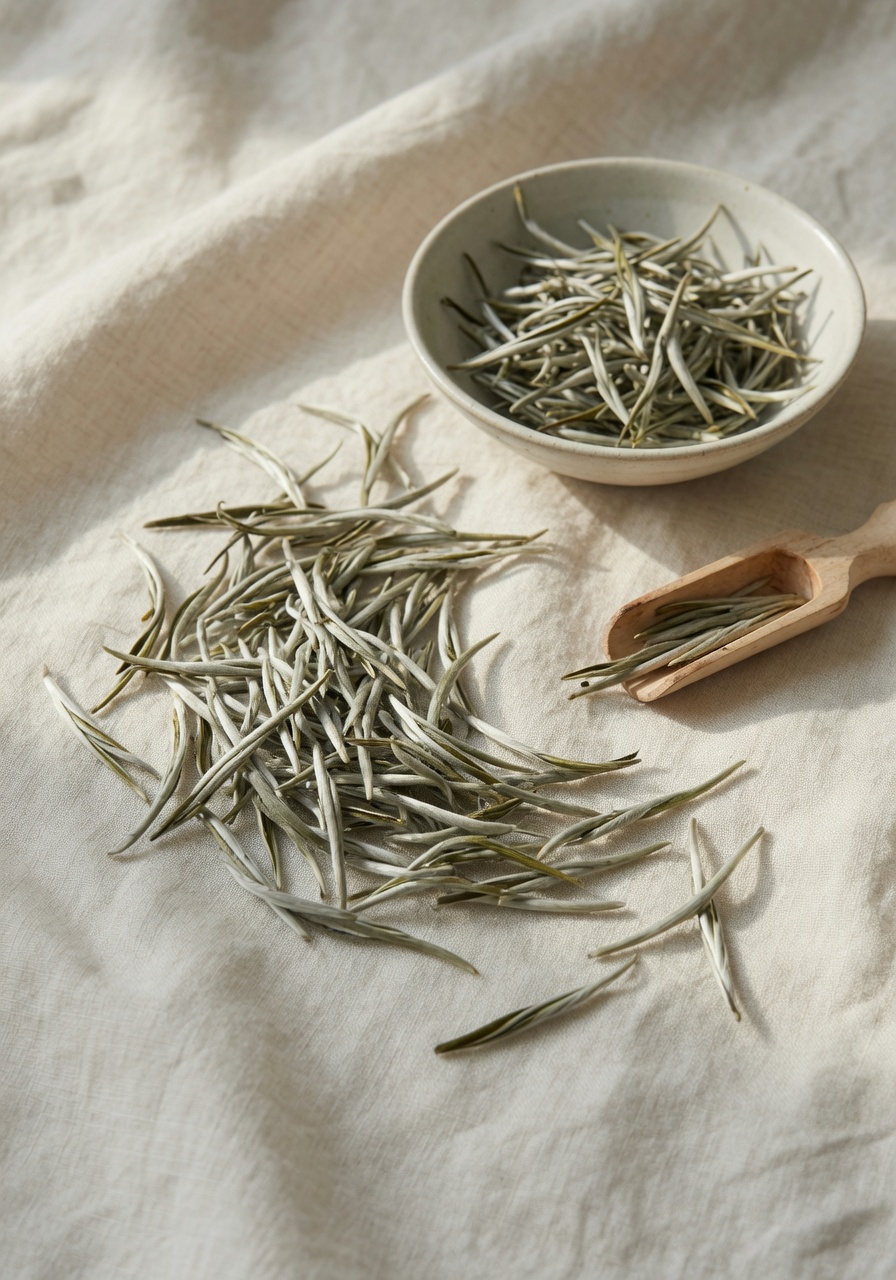
She trained formally in Fuding (福鼎), the Fujian county that is the spiritual home of Chinese white tea. Her mentor was an older processor who refused to use indoor heated withering troughs, insisting that Yinzhen (银针) — silver needle — could only be made properly under open sky and slow wind. For three springs Chen Hui Yi did almost nothing but watch buds dry on bamboo sieves, learning which cloud cover meant pull-the-trays-in and which meant leave-them-another-hour. Sun-withering, she will tell you, is not a step in a process — it is the process.
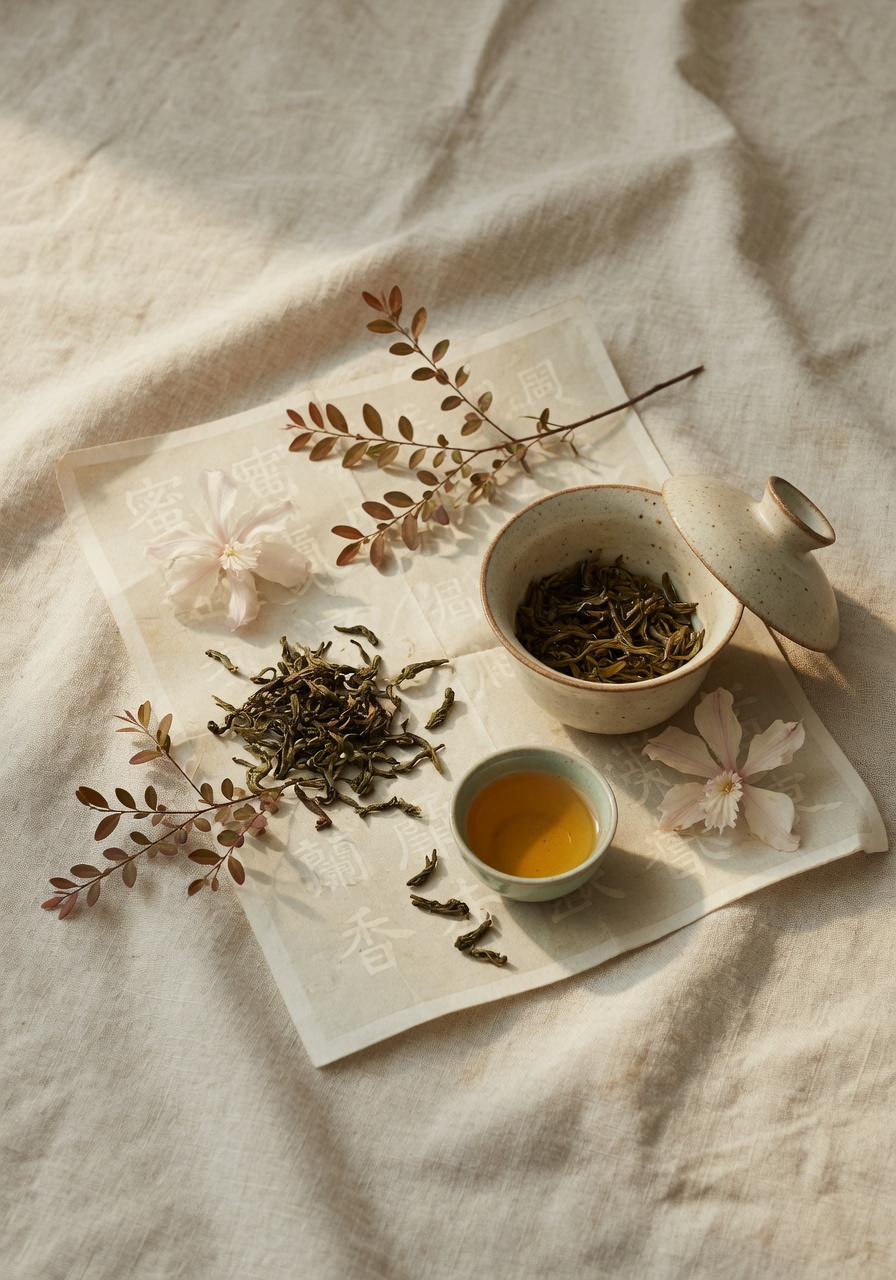
From Yinzhen she worked outward through the white-tea family: Bai Mu Dan (白牡丹) with its single bud and two leaves, Gong Mei (贡梅) from slightly later picks, and the broader Shou Mei harvested into early summer. She also became a quiet specialist in moonlight white — yuè guāng bái (月光白) — the Yunnan-style white made from large-leaf varietals, and in the slow art of aged whites, where a tea pressed today may not be at its best until 2033.
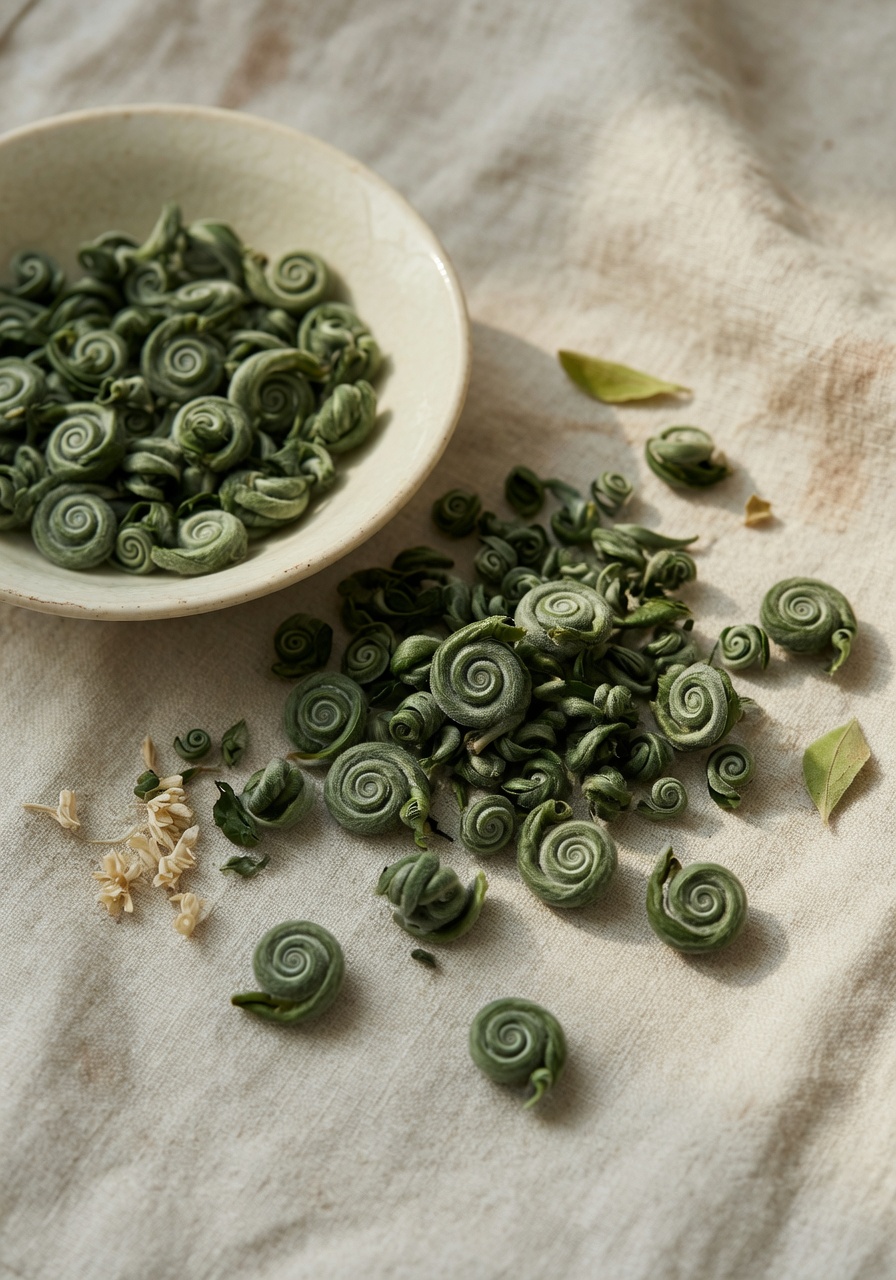
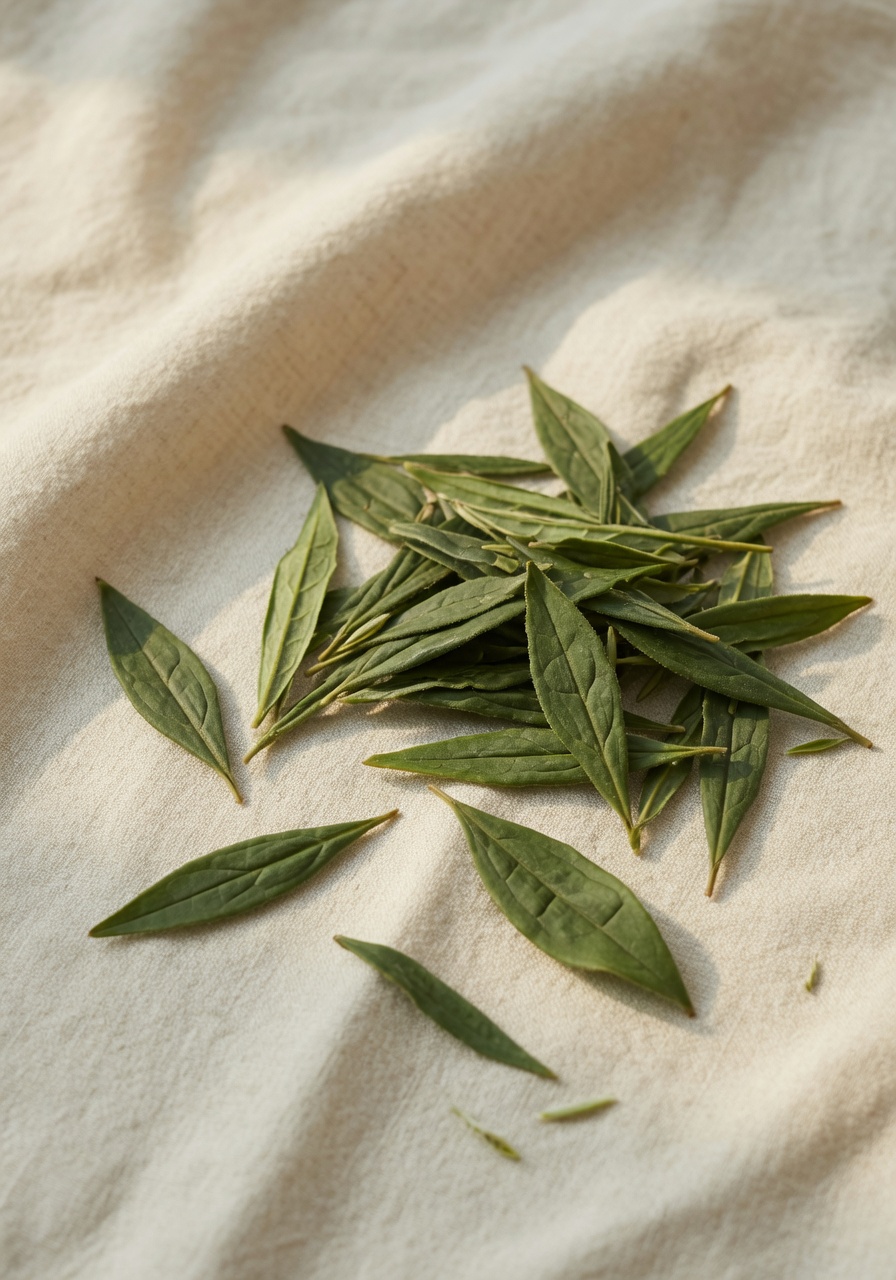
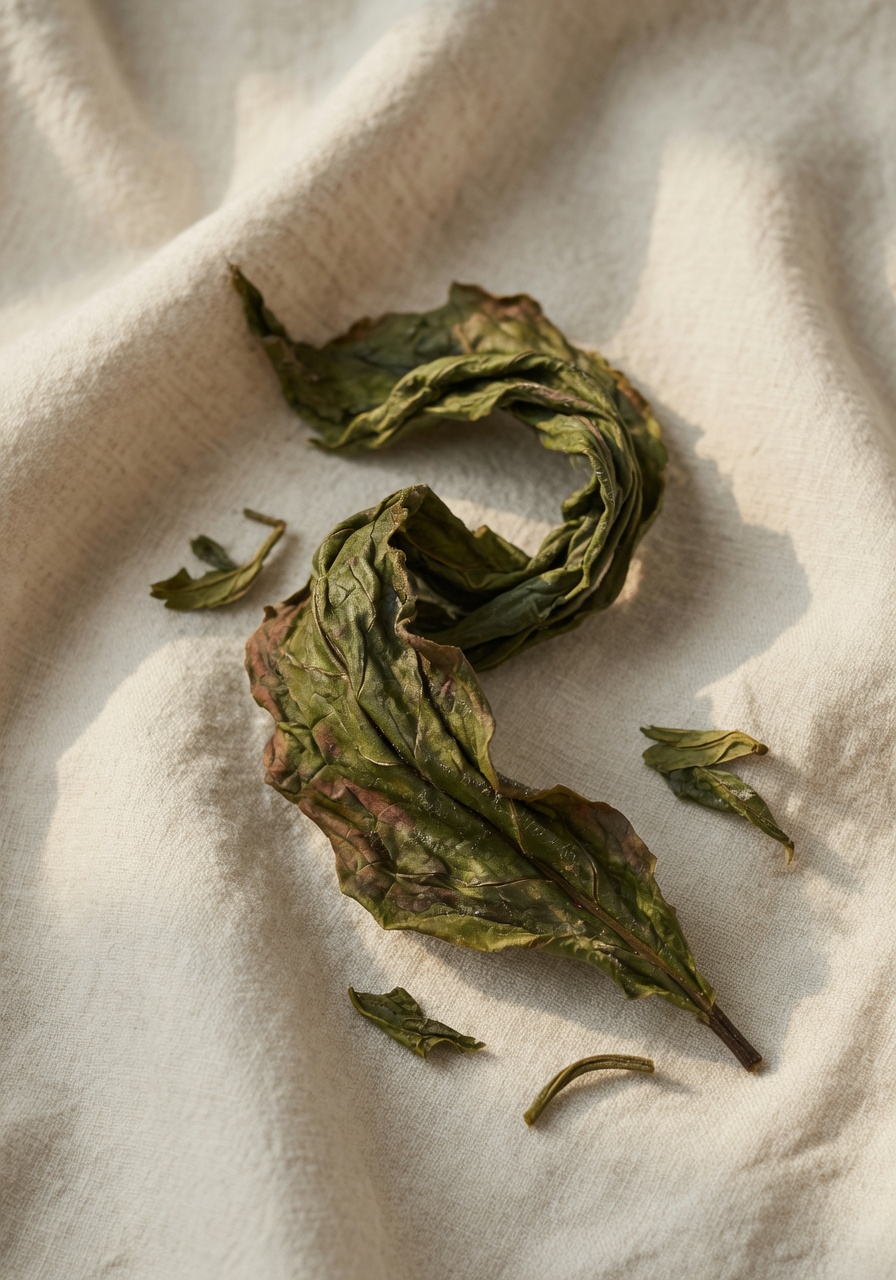
Green and yellow teas joined the practice later, almost by necessity. Her sourcing work for shop.thetea.app brought her annually to Hangzhou for Longjing (龙井) from the Shifeng (狮峰) hillside, and to Dongting Lake for Bi Luo Chun (碧螺春) hand-rolled at dawn. The yellow teas — mēn huáng (闷黄), the smothering step — she learned from a Hunan colleague, and she now teaches the basics of yellow processing as a counterpoint to her white-tea curriculum at tea.school.
What ties her catalog together is not a single style but a single instinct: trust the leaf. Chen Hui Yi resists heavy roasting, deep oxidation flexes, and anything that asks tea to become something other than what the plant offered. Her Yinzhen tastes like spring water with melon skin. Her aged Shou Mei tastes like a barn in October. Her Longjing tastes faintly of toasted chestnut and the lake it grew beside.
She authors the white-tea entries on thetea.app encyclopedia and contributes the white-tea health framings to tea.doctor — the same patient voice that explains, in a workshop, why you should not pour boiling water onto a silver needle, and why the second steep is often better than the first. For the gratis programme she selects the small 3–5g samples herself, choosing harvests she would put in her own jar.
Fuding, Shifeng, Dongting — three terroirs in one season
Chen Hui Yi does not own a farm. She works as a sourcing partner with three families across three regions, and her year is shaped by their calendars.
Fuding (福鼎), in northern Fujian, sits where the Taimu mountains drop toward the East China Sea. The white-tea gardens here grow on weathered granite at 400–800 m, with sea fog that arrives most mornings and burns off by mid-day — the exact rhythm sun-withering needs. The cultivars she trusts are Fuding Da Bai (福鼎大白) and Fuding Da Hao (福鼎大毫), the two large-leaf, plush-budded plants that gave white tea its modern shape. Pickings run from late March (Yinzhen) into May (Bai Mu Dan, Gong Mei) and onward through summer (Shou Mei).
Shifeng (狮峰), the Lion Peak hillside above West Lake in Hangzhou, is where she sources her Longjing. The plot is small, frost-prone, and ferociously seasonal — pre-Qīngmíng (清明) leaves are picked over two narrow weeks. The soil is acidic yellow loam, and the resulting tea has the bean-flower note that the broader Longjing market loses as it scales.
Dongting (洞庭), on the islands of Lake Tai in Jiangsu, gives her Bi Luo Chun. The tea bushes here are intercropped with peach, apricot, and loquat — the legend that Bi Luo Chun tastes of orchard fruit because it grows among orchard fruit is, in this specific microclimate, true.
Chen Hui Yi visits each region during its pick. The samples on tea.gratis are pulled directly from the lots she signed off on for the main shop.